reach me / follow along _

github instagram youtube linkedin discord

get new writeups + videos in your inbox. no spam, unsubscribe whenever.

check the popup to confirm →

get posts in your inbox_

new writeups + videos, roughly whenever something's actually worth sharing. no spam, unsubscribe whenever.

check the popup to confirm →
nishit@site: ~
nishit avatar
~$ whoami

NISHIT_

builder. writer. posting the process, not just the result.

~$ subscribers: 0
~/feed: everything, in order, no separate sections
Aug 30, 2026

still building this site out, more posts coming soon. bear with me haha

Now I play chess again thumbnail
video · unlisted

Now I play chess again

13 min · July 9, 2026
writeup

GDG Workshop CTF Challenge

writeup coming soon.

4 min read · August 2025
writeup

DECAF: building a portable digital forensics toolkit

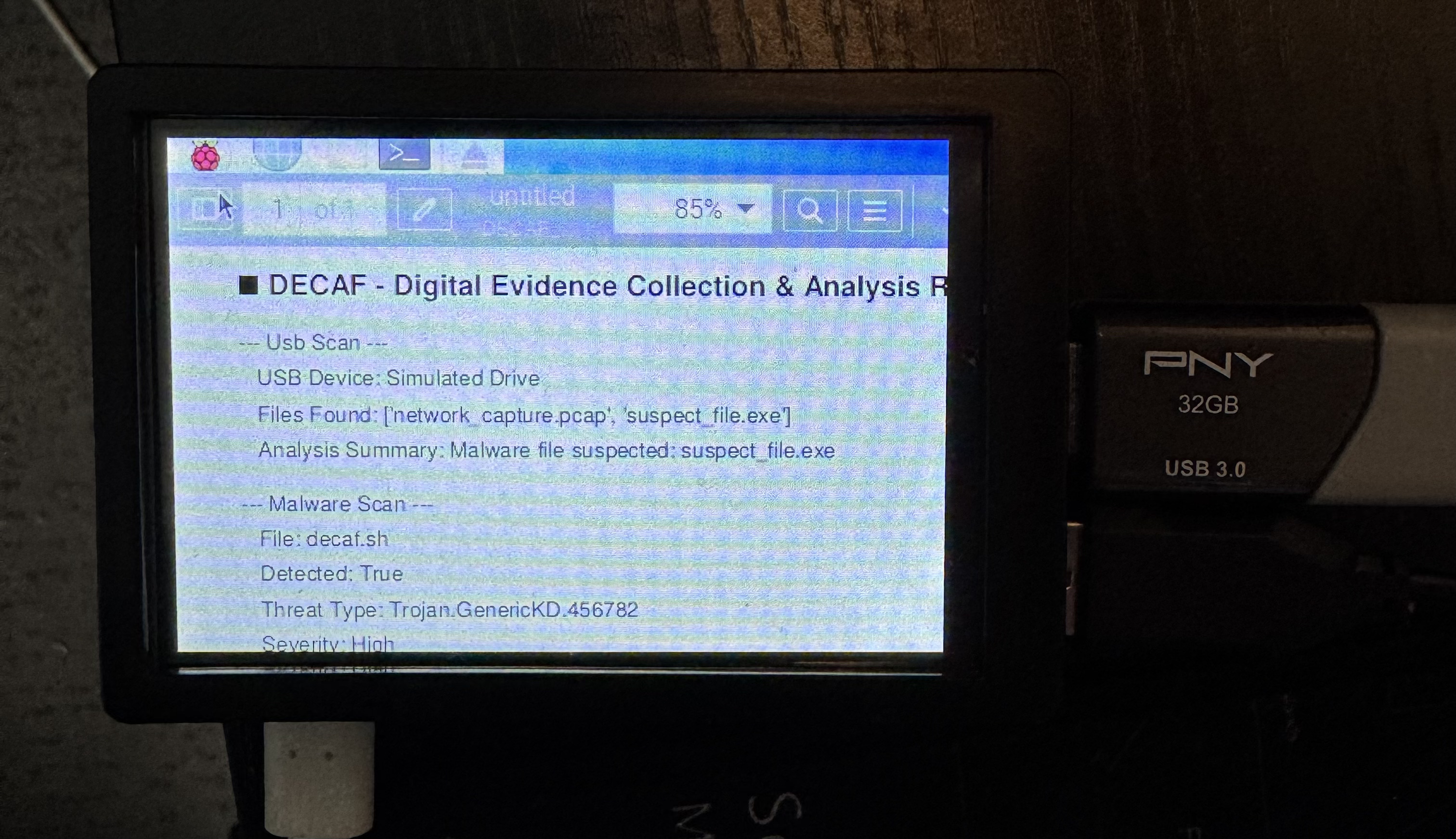
A Raspberry Pi, a touchscreen, and a mission: plug in a USB drive and it scans, hashes, flags malware, and spits out a chain-of-custody PDF. No laptop required.

9 min read · May 26, 2025
writeup

GDG: The Journey

A look back at the path from cybersecurity enthusiast to leading Google Developer Groups at BITS Pilani, Dubai Campus.

5 min read · September 22, 2024
writeup

Speech at the Indian Embassy, Abu Dhabi

Represented BITS Pilani Dubai Campus at the Indian Embassy in Abu Dhabi for the PCTD event, and got to meet His Excellency Mr. Sunjay Sudhir, Ambassador of India to the UAE. A proud moment for the campus and for India-UAE educational ties.

3 min read · September 16, 2024
writeup

AI-Driven Prompts for Funkos

Prompt-engineered a reusable template for Microsoft Designer's AI image generation, turning myself and friends into personalized Funko-style figures with consistent poses, outfits, and packaging every time.

3 min read · 2024
~$ cat about.md
nishit avatar

hi, I'm nishit.

I'm a 22-year-old master's student who builds things, breaks things, and writes down what happened either way. This site is where the process lives.

  • rebuilding my home network setup, one overengineered piece at a time
  • writing more, publishing before it feels fully ready
  • open to interesting freelance / collab work, click here
  • getting increasingly into OSINT and intelligence work
AI OSINT Linux Docker Python

DECAF

A GUI-based digital forensics toolkit on a Raspberry Pi that scans USB drives, flags suspicious files, and auto-generates a PDF chain-of-custody report.

PythonRaspberry PiDigital Forensics
↗ github

the fastest way to reach me is through the connect panel (top right), socials and a newsletter live there. otherwise, this site's feed is the most honest running log of what I'm up to.

video · unlisted

Now I play chess again

↗ watch on youtube
unlisted

Chess is the latest thing my brain has decided to get obsessed with, so this is the start of that. First real game, played and recorded start to finish.

what's in this one

This one's unlisted for now since it's more a personal log than a polished lesson. If you're into chess, or just enjoy watching someone learn something the hard way, it's here.

nishit.world
writeup

DECAF: building a portable digital forensics toolkit

↗ view source

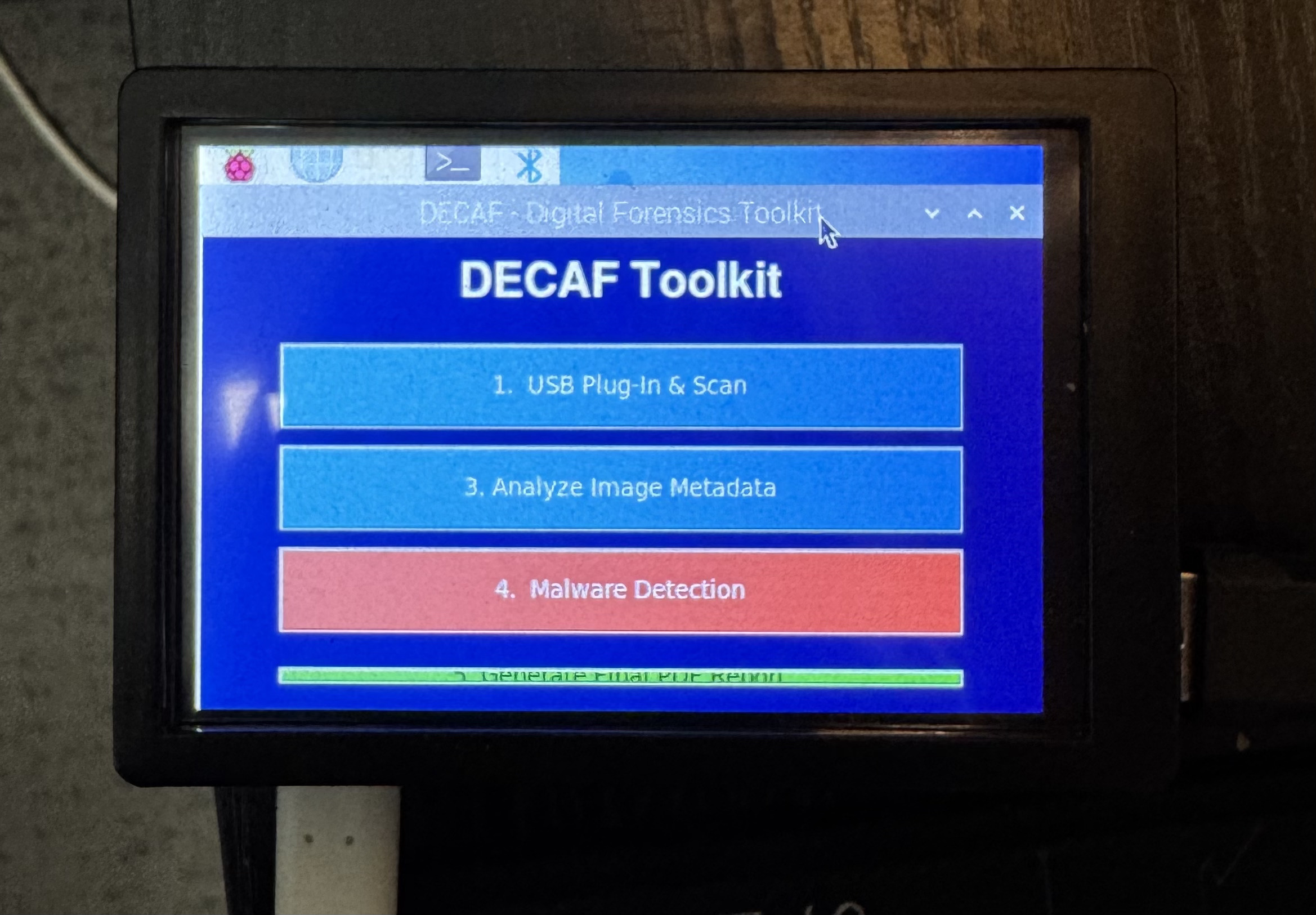
For my BITS Pilani CS design project, I built DECAF, a self-contained digital forensics toolkit that runs entirely off a Raspberry Pi with a 3.5" touchscreen. No laptop, no external monitor. Plug in a USB drive and go.

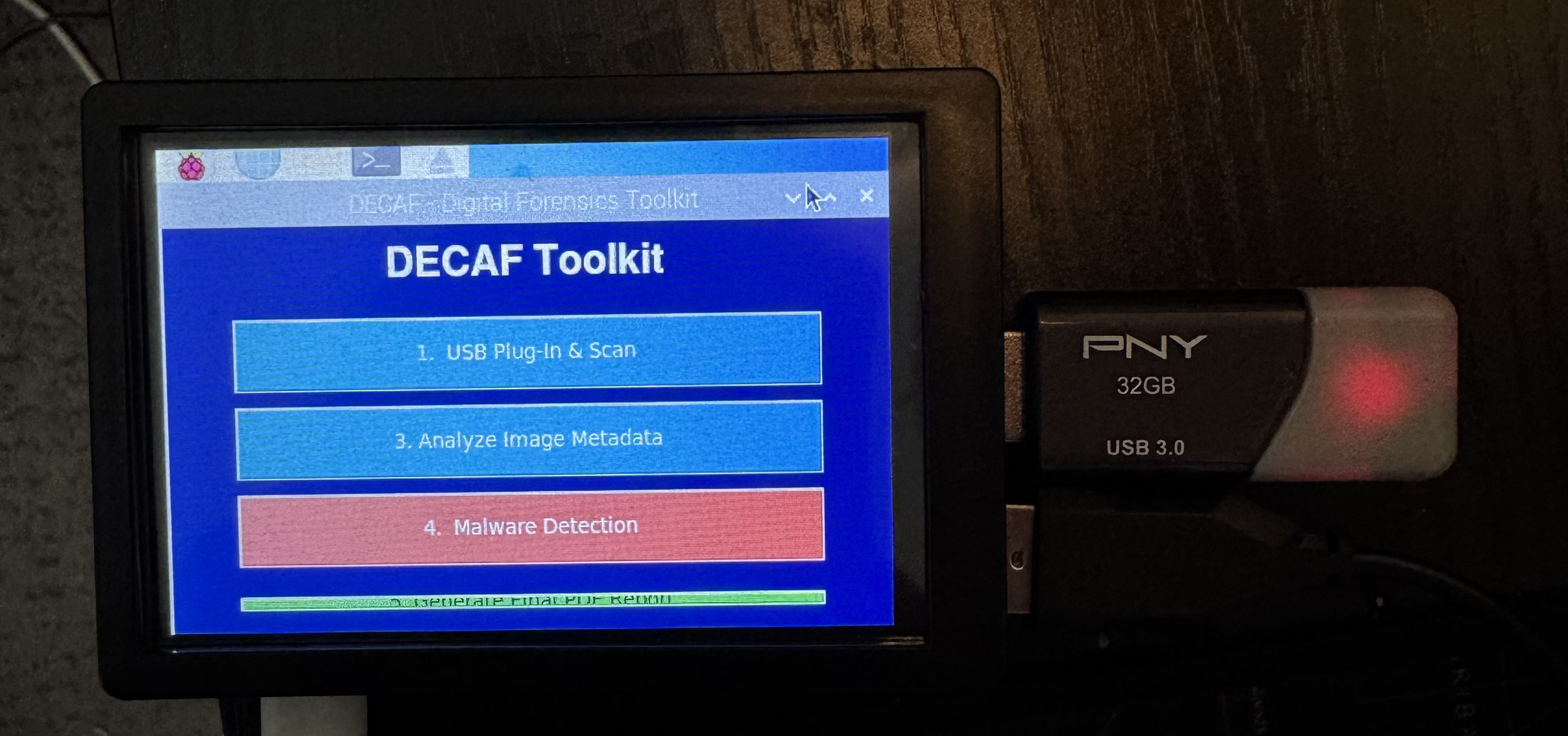
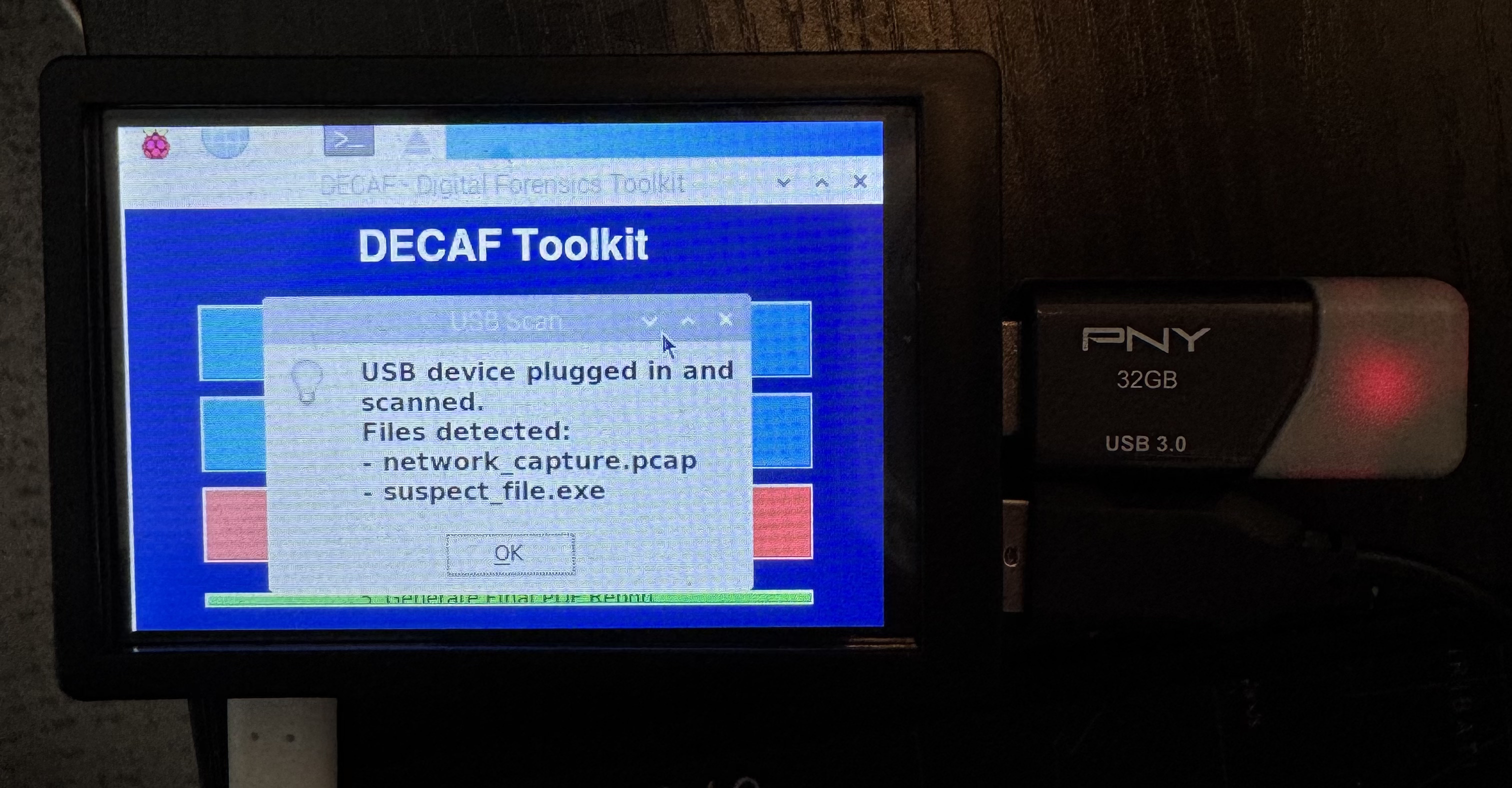
DECAF touchscreen showing the toolkit menu DECAF device plugged in next to a USB drive DECAF USB scan results showing detected files DECAF full forensic report scrolled on screen

why I built it?

Field investigators triaging a seized USB drive usually need a full workstation to check for malware, hash files for chain of custody, and pull metadata. That felt like overkill to me. DECAF compresses that whole workflow into something you can carry in a backpack: no laptop, no monitor, just a Pi and a touchscreen.

how does it work?

Plug in a USB drive and DECAF walks the filesystem, computes a SHA256 hash for every file, flags anything with a suspicious extension, and runs it through a simulated signature check. It also pulls basic metadata like size, created date, and modified date, then compiles everything into a PDF report you can hand off as part of the chain of custody.

nishit.world
writeup

GDG Workshop CTF Challenge

Writeup coming soon. This one covers a capture-the-flag challenge I ran at a GDG workshop, and the full breakdown is still in progress.

nishit.world
writeup

Speech at the Indian Embassy, Abu Dhabi

Represented BITS Pilani Dubai Campus at the Indian Embassy in Abu Dhabi for the PCTD event.

who did I meet?

Got to meet His Excellency Mr. Sunjay Sudhir, Ambassador of India to the UAE, alongside fellow BITS Pilani Dubai Campus students who were part of the delegation.

why did it matter?

Events like this are a reminder of how much groundwork goes into India-UAE educational ties, and it was a genuinely proud moment to represent the campus in that room.

nishit.world
writeup

AI-Driven Prompts for Funkos

↗ microsoft designer

Funko Pops are basically a whole genre of merch built around exaggerated, personalized figures, so I wanted to see if I could get consistent, on-model results out of an AI image generator instead.

what was the idea?

Microsoft Designer's image generation is good at following structure if you give it one. So instead of writing a new prompt from scratch every time, I built a template with slots for the parts that actually change: name, outfit, hair, and box styling.

what's the prompt template?

Funko figure of a [gender], smiling, called [NAME], wearing [CLOTHING - TOP], [CLOTHING - BOTTOM], and [SHOES], [HAIR AND FACIAL HAIR]. The Funko is displayed inside and outside a limited edition [COLOR] Funko box with [TEXT ON TOP OF BOX] text, allowing visibility of the figure, typography, 3D render. White background.

Swap the brackets and the output stays consistent: same box style, same rendering, same level of detail, just a different person each time. Made versions of myself and a few friends, including Rohil Sagar.

AIDesignMicrosoft DesignerFunko FigureDigital Innovation
nishit.world
writeup

GDG: The Journey

↗ read on medium

A look back at how I went from a first-year technical executive at Google Developer Student Clubs to becoming the first-ever Google Developer Group Lead on campus. Originally published on Medium, summarized here.

how did it start?

I joined the GDSC council in my second year as a Technology and Events Executive, working across the cybersecurity and cloud teams. That's where I first got hooked on defensive security, and I started helping run workshops and CTF events alongside the marketing side of things.

what was kryptex?

To make events more memorable, I helped create Kryptex, a hacker-themed mascot I'd dress up as and play at every event. It turned into a running bit that pulled a lot more students into the room than a normal flyer ever could.

what happened with hack the box?

I ran my first Hack The Box workshop on digital forensics incident response, which drew over 70 participants. Around the same time we got the university registered on Hack The Box, and I ended up as University Admin after ranking well on the platform myself.

how did I become gdg lead?

After a year across those roles, I applied for and became GDSC Lead, then later stepped into a newly created position: the first Google Developer Group Lead at BITS Pilani, Dubai. Unlike GDSC, GDG opens things up beyond students to the wider developer community, industry folks included.

This is the short version. The full writeup, with more on where GDG is headed next, is on Medium.

↗ read the full article on medium

nishit.world